
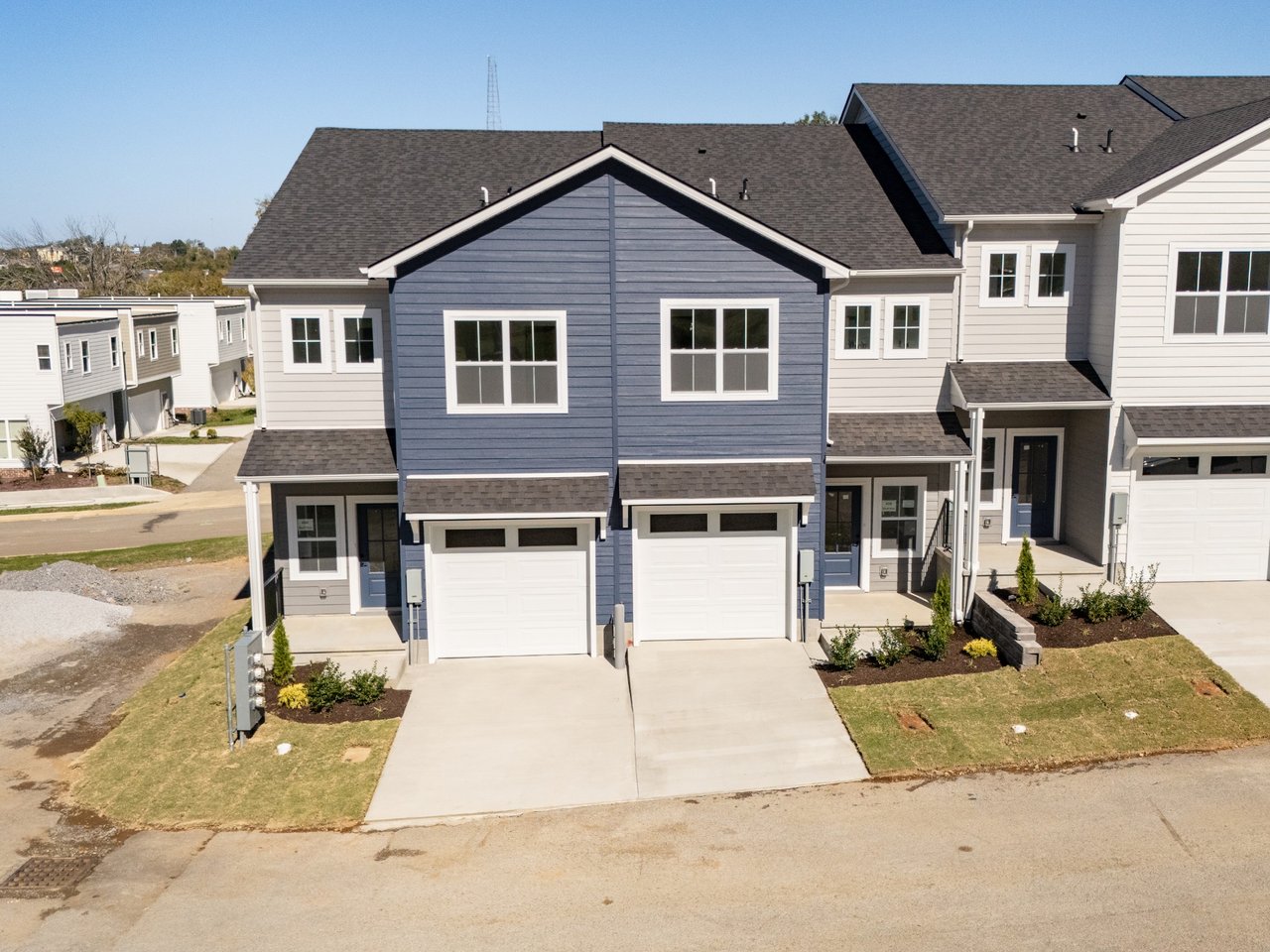
9 min read | By Amber Stormberg | November 2026
Buying a newly constructed home can be exciting. You're looking at fresh finishes, modern floor plans, updated building systems, and the opportunity to make a space your own.
But buying new construction is also different from purchasing an existing home.
What comes standard? How do builder incentives work? Should you still schedule an inspection? And how do you know whether a particular floor plan is right for you?
If you're considering new construction in East Nashville, understanding those details can help you make a more informed decision.
This guide walks through the major considerations, from choosing a community to reviewing your final paperwork. We'll also use Riva Ridge, a new-construction townhome community in East Nashville, to illustrate what buyers can look for in a modern development.
1. Why Consider New Construction in East Nashville?
One of the biggest attractions of new construction is the opportunity to purchase a home that hasn't experienced years of everyday wear and tear.
Depending on the builder and property, new homes may offer contemporary layouts, newer appliances, modern heating and cooling equipment, and certain warranty protections.
That doesn't automatically make new construction the better choice for everyone.
An existing home might offer a larger yard, a different architectural style, or a location that better fits your priorities. New construction may offer different advantages, but it's important to compare the entire ownership experience rather than focusing on the age of the home alone.
When evaluating a new-construction community in East Nashville, consider:
- Location: How convenient is the property to the places you regularly visit?
- Layout: Does the floor plan support how you live, work, and entertain?
- Maintenance: Which responsibilities belong to you, and which belong to the association?
- Community features: Which amenities are completed, planned, or subject to change?
- Long-term costs: What will you pay beyond your mortgage?
The best home isn't necessarily the newest one. It's the one that fits your needs, priorities, and financial situation.
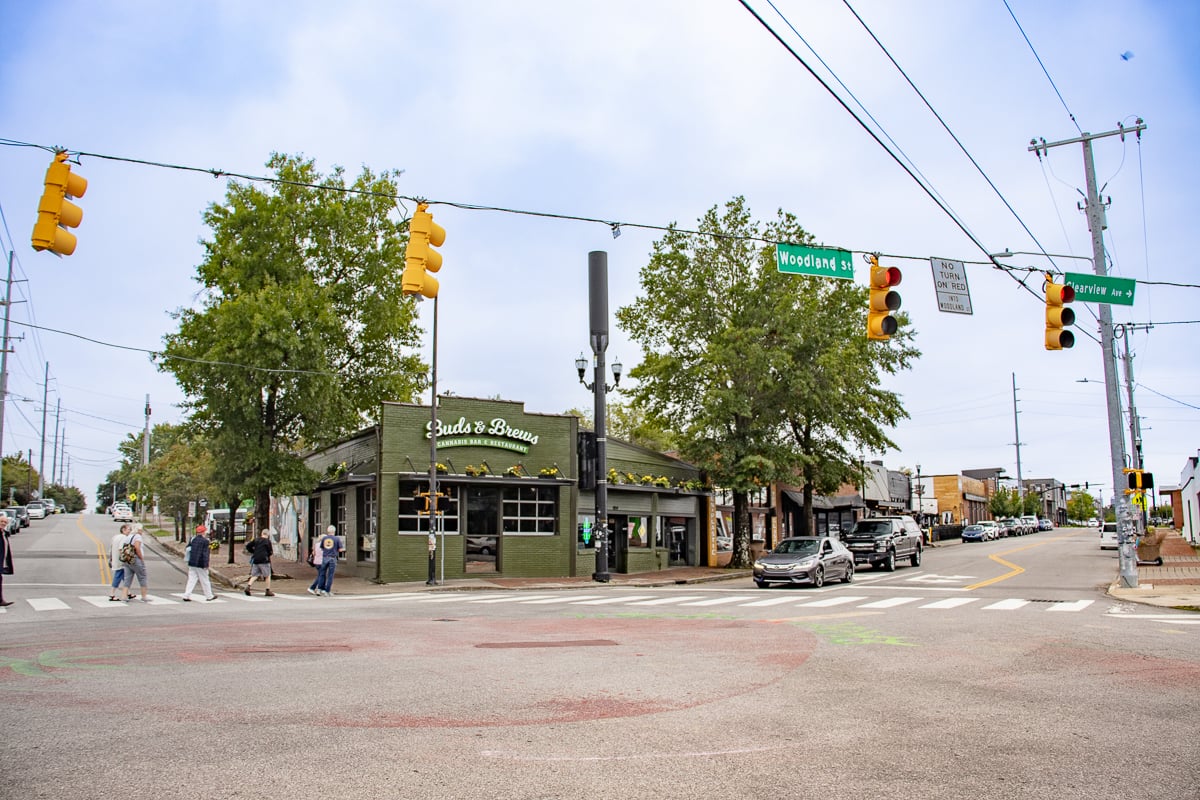
2. Understanding the New-Construction Buying Process
Buying new construction doesn't have to be complicated, but knowing the steps can make the experience more manageable.
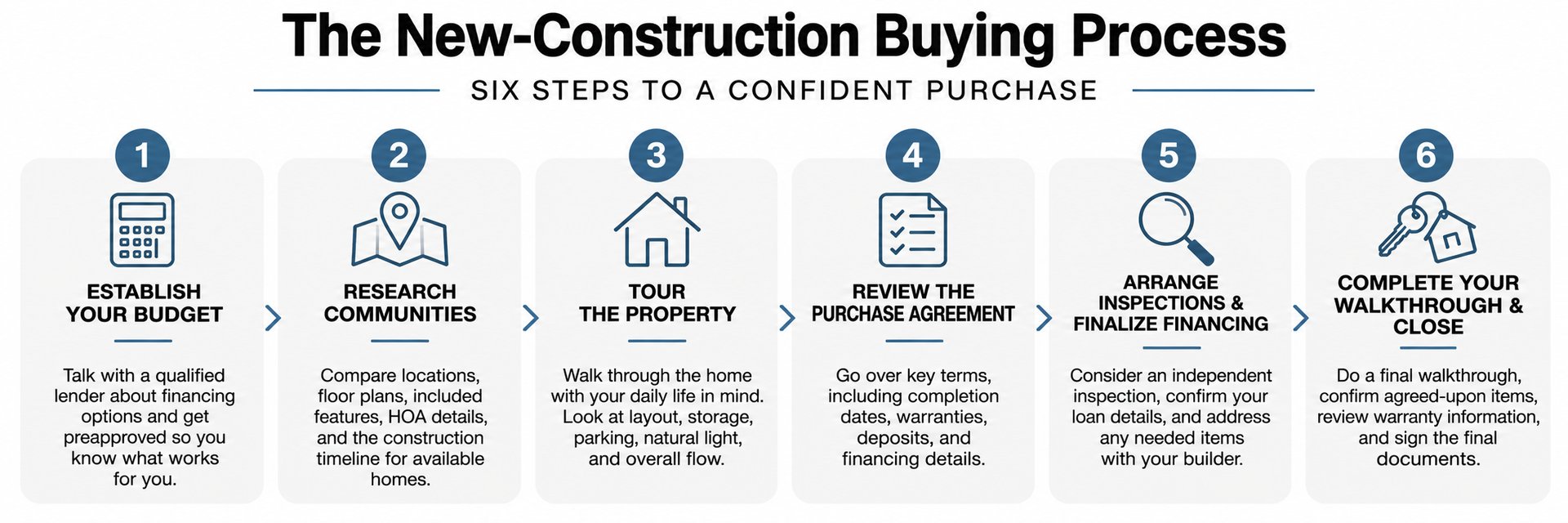
Step 1: Establish your budget
Before touring homes, speak with a qualified mortgage lender about what you may be comfortable borrowing.
A pre-approval can help you understand your potential financing options, but your personal budget should also account for taxes, insurance, association dues, utilities, maintenance, and other recurring expenses.
Step 2: Research communities and available homes
Compare locations, floor plans, included features, association requirements, and the condition or construction stage of available properties.
Ask whether the home is completed, under construction, or available for future delivery.
Step 3: Tour the property
Walk through the home with your everyday routine in mind.
Consider furniture placement, storage, bedroom privacy, parking, natural light, and the flow between rooms.
Step 4: Review the purchase agreement
New-construction contracts may contain provisions involving completion dates, changes, warranties, deposits, financing, and other conditions.
Have the appropriate professionals review anything you don't understand before signing.
Step 5: Arrange inspections and finalize financing
A newly constructed home can still have issues that deserve attention.
Discuss independent inspections, financing deadlines, appraisal requirements, and any agreed-upon repairs or corrections with your agent and lender.
Step 6: Complete your walkthrough and closing
Before closing, review the home's condition, confirm agreed-upon items, understand warranty procedures, and obtain the documentation you'll need as an owner.
For additional guidance on financing and closing, the Consumer Financial Protection Bureau's homebuying resources provide helpful explanations of the mortgage process.
“Buying new construction isn't just about finding a home you love. It's about understanding what's included, asking the right questions, and knowing what to expect before you sign.”
Amber Stormberg.
3. What Should You Look for in a New-Construction Floor Plan?
Square footage is important, but it doesn't tell you everything about how a home will function.
Two homes with similar measurements can feel very different depending on their layouts.
Think about how you use each room
An open kitchen and living area may work well for entertaining or spending time together. A separate bedroom with its own bathroom may provide additional privacy.
Consider whether you need a dedicated workspace, room for guests, or storage for everyday belongings.
Pay attention to practical details
Some of the most useful features are easy to overlook during a showing.
Ask yourself:
- Is there enough pantry and kitchen storage?
- Where is the laundry located?
- Is there convenient access from the garage?
- How many bathrooms will people share?
- Is there a comfortable place to spend time outdoors?
- Will your furniture fit the rooms as intended?
A real-world example: Riva Ridge
Riva Ridge's published home information describes a two-story townhome layout with an open-concept main level connecting the kitchen, dining, and living areas.
The main level also includes a walk-in pantry, powder room, and patio access.
Upstairs, the described layout provides three bedrooms, each with an en-suite bathroom, along with a dedicated laundry room. The home information also identifies an attached one-car garage.
These details illustrate why it's useful to look beyond the total bedroom count.
Three bedrooms with individual bathrooms, for example, may offer different practical benefits than three bedrooms sharing a single hallway bathroom.
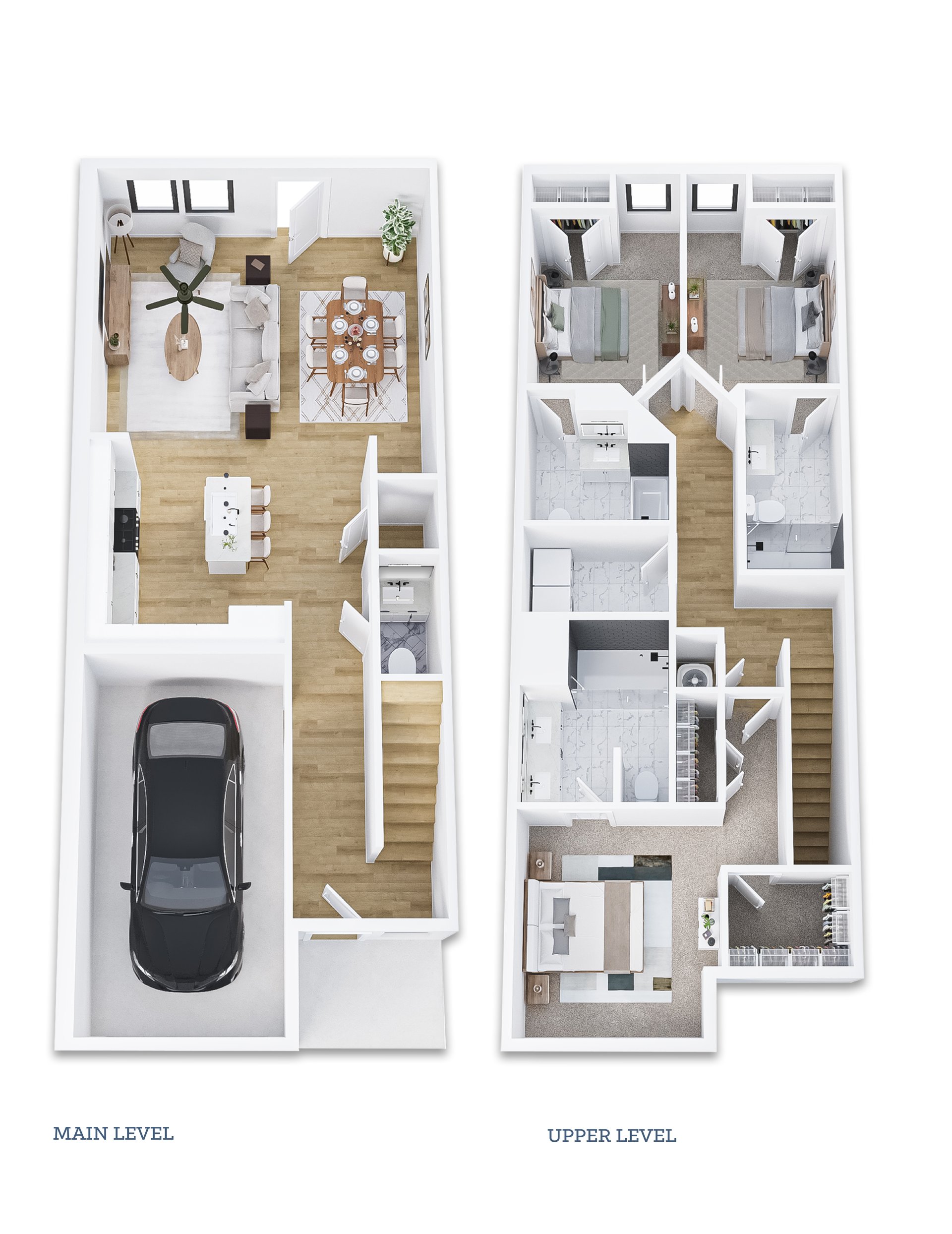
A furnished floor-plan rendering helps buyers visualize room arrangements and circulation. Confirm the rendering matches the home being discussed.
Because individual units may have mirrored layouts or different finishes, always confirm the details of the specific home you're considering.
4. What's Included in a New-Construction Home?
One of the most important questions buyers can ask is deceptively simple:
What exactly comes with the home?
A model home, marketing photograph, or rendering may show items that differ from the finishes or features included with a particular property.
Before making a decision, ask for a written list of included features and clarify whether any upgrades or substitutions apply.
Understanding finish packages
At Riva Ridge, the development's Included Features materials identify two finish packages.
These packages provide different design selections while retaining the broader home layout.
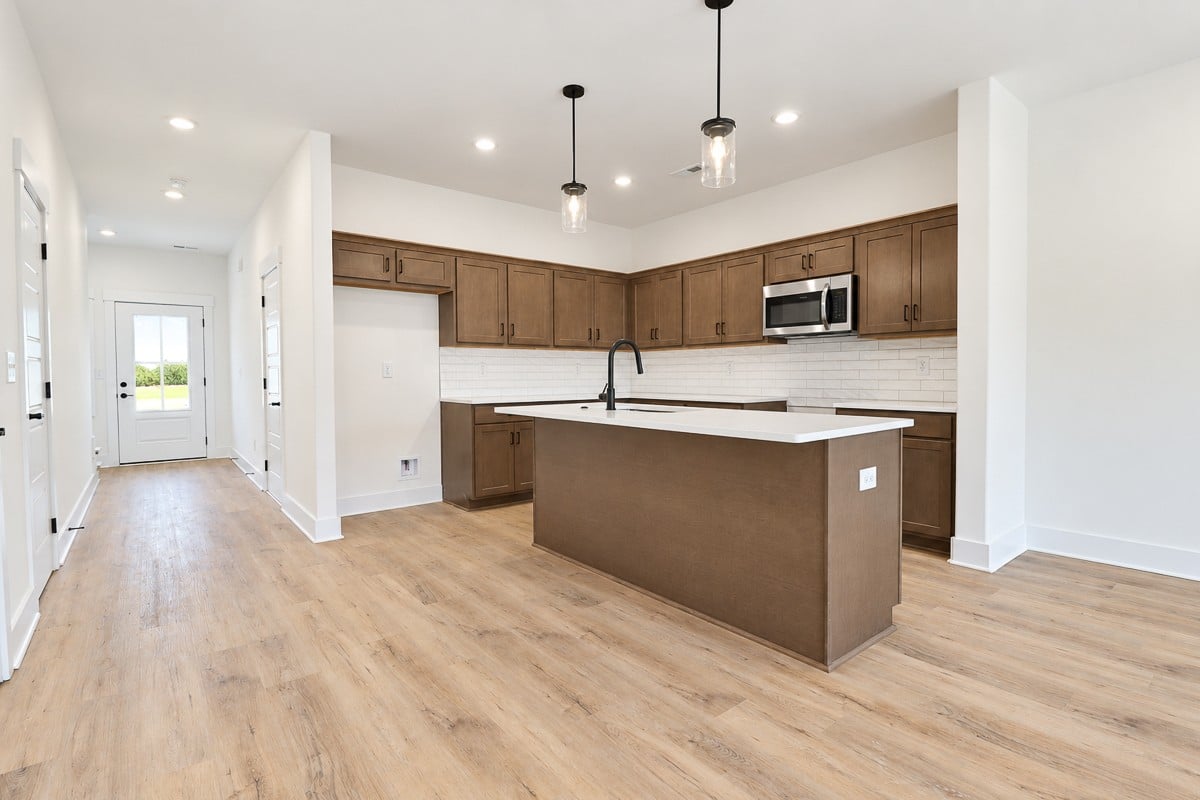
When comparing homes with different finish selections, pay attention to the following:
Feature | What to compare |
|---|---|
Cabinetry | Color, finish, hardware, and storage configuration |
Countertops | Material, appearance, and care requirements |
Backsplash | Material, color, and cleaning considerations |
Flooring | Material, durability, appearance, and maintenance |
Appliances | Included equipment, models, and warranty information |
Bathroom finishes | Tile, fixtures, vanities, and surfaces |
The purpose isn't to decide which package is universally better. It's to understand which combination works best for your preferences and maintenance expectations.
If you tour two homes with different finishes, ask for the exact specifications for each one.
Don't overlook what's outside the finishes
Beautiful cabinets and countertops can attract attention, but buyers should also ask about the home's mechanical systems, construction details, and included warranties.
Those features may be less visible during a showing, but they matter to the ownership experience.

“Two homes can look similar on paper, but the way the space works for your everyday life is what really matters. Pay attention to storage, privacy, and how you'll actually use each room.”
Amber Stormberg
See how these features come together
If you'd like to compare actual homes rather than photographs alone, you can explore the current Riva Ridge inventory and review the available options.
Explore Available Riva Ridge Homes
5. How Do Financing and Builder Incentives Work?
When purchasing new construction, the asking price is only one part of the financial picture.
Depending on the property and the terms being offered, buyers may encounter seller-paid closing cost assistance, financing incentives, or other concessions.
Understanding how those offers work can help you compare properties more accurately.
Closing cost assistance
Closing costs can include expenses associated with obtaining a mortgage and completing the transaction.
In some situations, a seller may agree to contribute toward eligible costs.
The amount and permitted uses depend on the contract, loan program, lender requirements, and other restrictions.
Mortgage rate buydowns
A mortgage rate buydown involves funds being used to reduce the interest rate or payments under a particular financing arrangement.
Some arrangements are temporary, while others may affect the rate over a longer period.
These are not interchangeable.
Ask your lender to explain the exact structure, including how the payments change, what happens when a temporary buydown ends, and whether the arrangement is appropriate for your financial situation.
Down payment assistance
Certain buyers may qualify for assistance through eligible loan programs or other available resources.
Eligibility may depend on income, location, loan type, program funding, and additional requirements.
Assistance isn't automatic, and some programs have repayment obligations or restrictions.
Compare the full financing picture
Before deciding whether an incentive is attractive, ask for a written comparison showing the relevant loan terms.
Review the interest rate, annual percentage rate, estimated monthly payment, cash required to close, and total financing costs.
A larger advertised incentive doesn't necessarily mean a better financial outcome.
The CFPB's homebuying guidance can help you understand mortgage disclosures and the questions to ask your lender.
Riva Ridge note: Incentives may be available on certain homes, but offers and eligibility can change. Request current written terms rather than relying on an older advertisement or social media post.
6. Should You Inspect a Brand-New Home?
Yes, buyers should consider an independent inspection even when purchasing newly completed construction.
New homes may benefit from updated materials and building practices, but that doesn't eliminate the possibility of installation problems, incomplete work, or other defects.
An inspection can help identify concerns before closing, subject to the property's condition, access, and contractual arrangements.
Questions worth asking about construction
You don't have to be a construction expert to ask informed questions.
Consider discussing:
- What type of foundation does the home have?
- How is drainage managed around the property?
- What heating and cooling equipment is installed?
- What warranties apply, and who administers them?
- Are operating manuals and maintenance instructions provided?
- How are issues reported after closing?
Understanding foundation systems
Foundation designs vary according to site conditions, engineering requirements, and the construction approach.
Riva Ridge's development materials include a diagram describing an Oklahoma-style stem-wall foundation system.
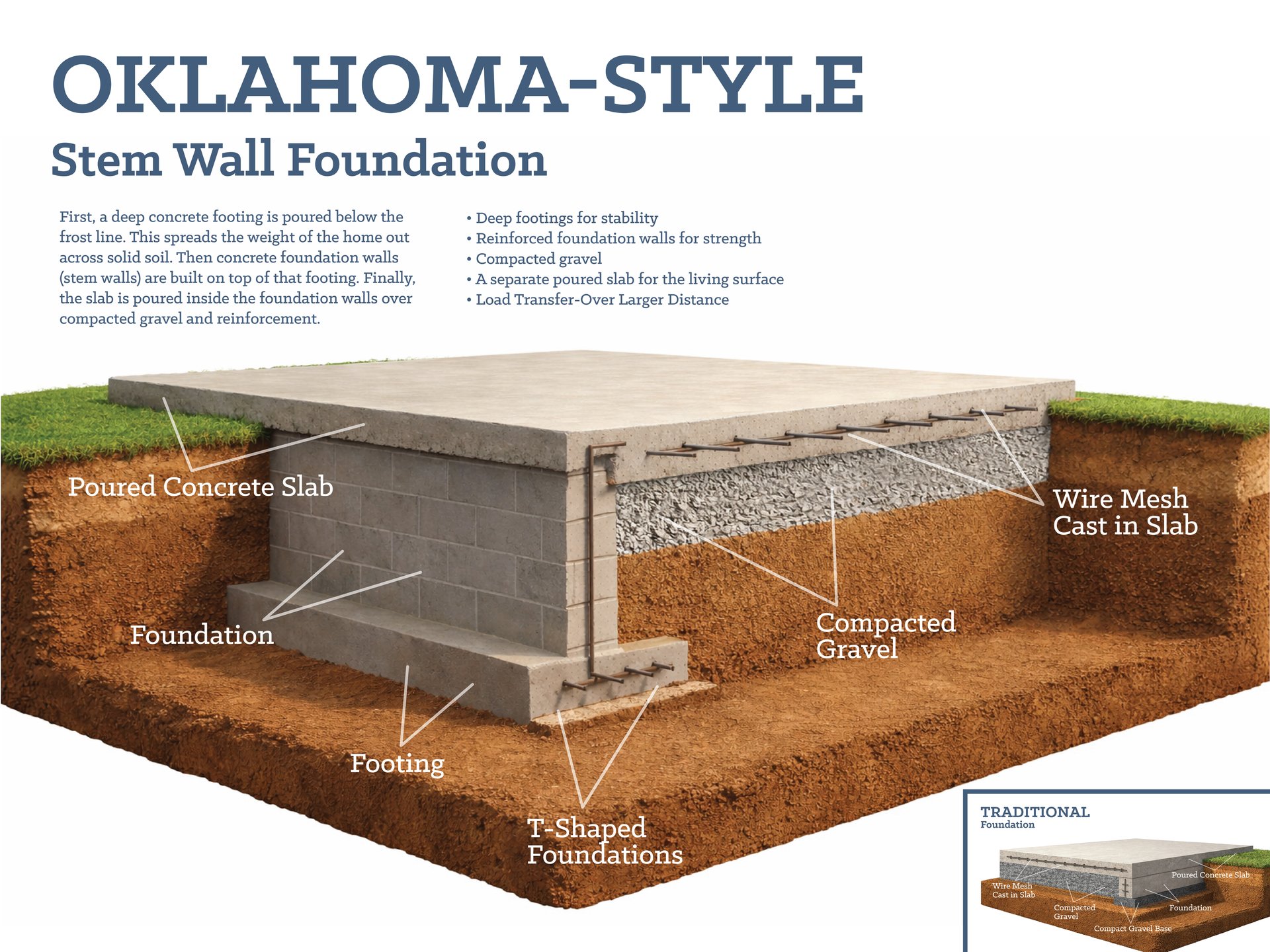
Riva Ridge foundation-system illustration. Buyers should confirm the construction specifications applicable to their particular home.
A diagram is useful for explaining the general construction approach, but it shouldn't replace an inspection, engineering documentation, or property-specific information.
Similarly, buyers should ask for the actual make, model, and warranty details of the installed HVAC equipment rather than assuming every home has identical components.
Understand the warranty
A new-construction warranty may cover certain defects or components for specified periods, subject to exclusions and procedures.
Before closing, request the warranty documents and ask who to contact if an issue arises.
Keep copies of the warranty, manuals, and other relevant documentation for future reference.
7. Don't Forget the HOA and Long-Term Costs
For a townhome in a managed community, understanding the homeowners association can be just as important as understanding the floor plan.
An HOA may establish rules, collect dues, and manage certain shared responsibilities.
However, the exact responsibilities vary by community.
What should buyers review?
Request the governing documents and look for information about:
- Regular association dues and how they may change
- Maintenance responsibilities for buildings and common areas
- Insurance obligations
- Reserve funding and potential special assessments
- Parking and exterior modification rules
- Pet policies
- Leasing or rental restrictions
- Planned amenities and shared facilities
If you're considering purchasing a townhome as an investment property, rental restrictions deserve particular attention.
Don't assume that a property can be rented on your preferred terms simply because similar homes are being advertised for lease.
Review the governing documents and obtain appropriate professional guidance.
Budget beyond the mortgage
A practical ownership budget should consider more than principal and interest.
Potential expense | Why it matters |
|---|---|
Mortgage payment | Depends on financing terms |
Property taxes | May change with assessment and ownership |
Homeowners insurance | Coverage and premiums vary |
HOA dues | Fund specified association obligations |
Utilities | Depend on usage and service providers |
Maintenance | Some responsibilities remain with the owner |
Repairs and reserves | Help prepare for future unexpected expenses |
A new home may have fewer immediate repair needs than some older properties, but no home is maintenance-free.
“The right home is more than the purchase price. Buyers should understand the monthly costs, community guidelines, and long-term responsibilities before making a decision.”
Amber Stormberg
8. Exploring New Construction at Riva Ridge
If you're researching new construction in East Nashville, Riva Ridge is one community worth exploring.
The development's published plans describe modern townhomes with open living areas, three en-suite bedrooms, and attached garage parking.
Community materials also describe amenities including pickleball, a dog park, and walking trails. Buyers should confirm which amenities are complete, their anticipated availability, and any applicable community rules.
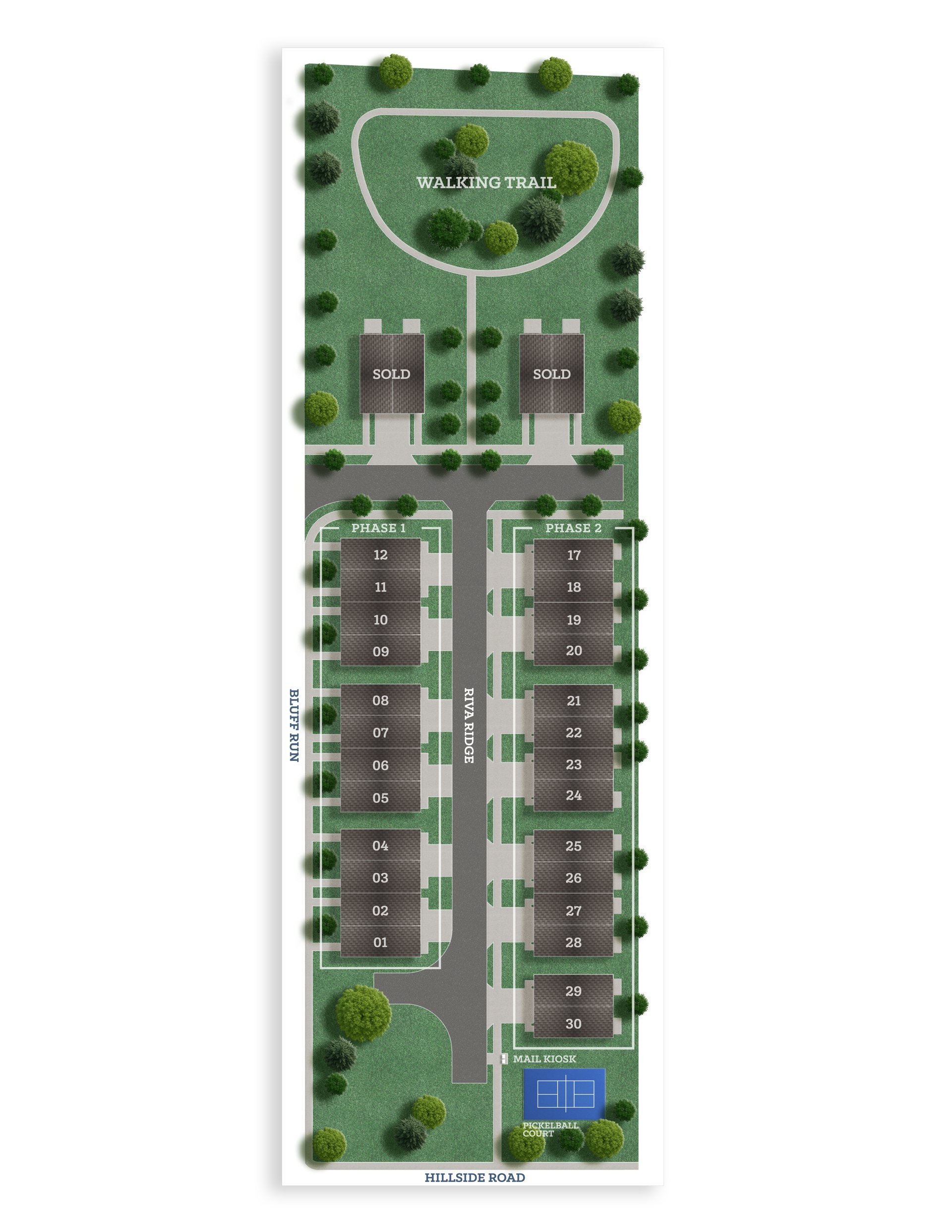
Rather than focusing only on a home's appearance, consider touring with a list of questions about the layout, finishes, financing, inspections, and long-term ownership responsibilities.
The more you understand before purchasing, the better prepared you'll be to choose a home that works for you.
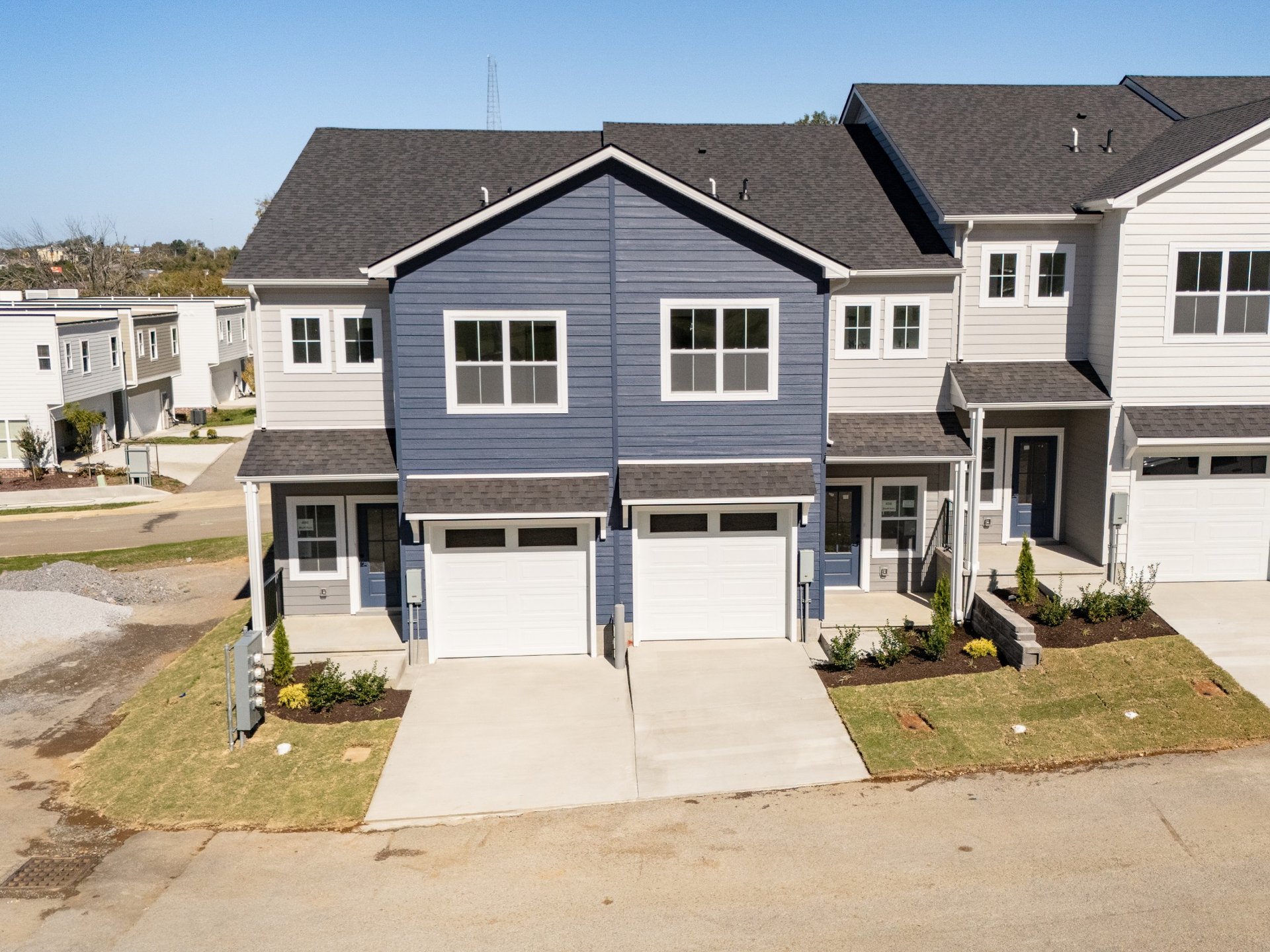
Ready to Explore New Construction in East Nashville?
See current Riva Ridge listings, compare available homes, and learn more about the community.
View Current Riva Ridge Listings
You can also visit RivaRidgeTN.com for more information about the development.
Frequently Asked Questions About Buying New Construction
Do I need a real estate agent when buying new construction?
You can work with a real estate agent when purchasing new construction. An agent can help you compare properties, review the process, coordinate due diligence, and navigate negotiations within the scope of their role. Ask about representation arrangements and any applicable deadlines or builder policies.
Can I negotiate the price of a new-construction home?
Sometimes. Whether a seller is willing to negotiate depends on the property, market conditions, and the seller's priorities. Negotiations may involve price, eligible concessions, or other contract terms.
Do new-construction homes need inspections?
Buyers should consider independent inspections. A home being newly built does not guarantee that every component has been installed correctly or that all work is complete.
Are builder incentives always available?
No. Incentives may change or expire, and eligibility can vary by home, buyer, financing program, and contract terms. Always confirm the current offer in writing.
What should I ask about an HOA before buying a townhome?
Ask about dues, maintenance responsibilities, insurance, reserves, potential assessments, rental restrictions, and community rules. Review the actual governing documents rather than relying only on a marketing summary.
Is new construction a good investment?
It depends on the purchase terms, financing, operating expenses, rental demand, ownership goals, and potential risks. Investors should evaluate realistic cash flow and costs rather than assuming a newly built property will generate a particular return.
This article provides general educational information and is not legal, tax, engineering, or lending advice. Property features, community plans, incentives, and availability are subject to verification and change.

